The Tree That Quiets the Mind
Ayahuma (Couroupita guianensis)
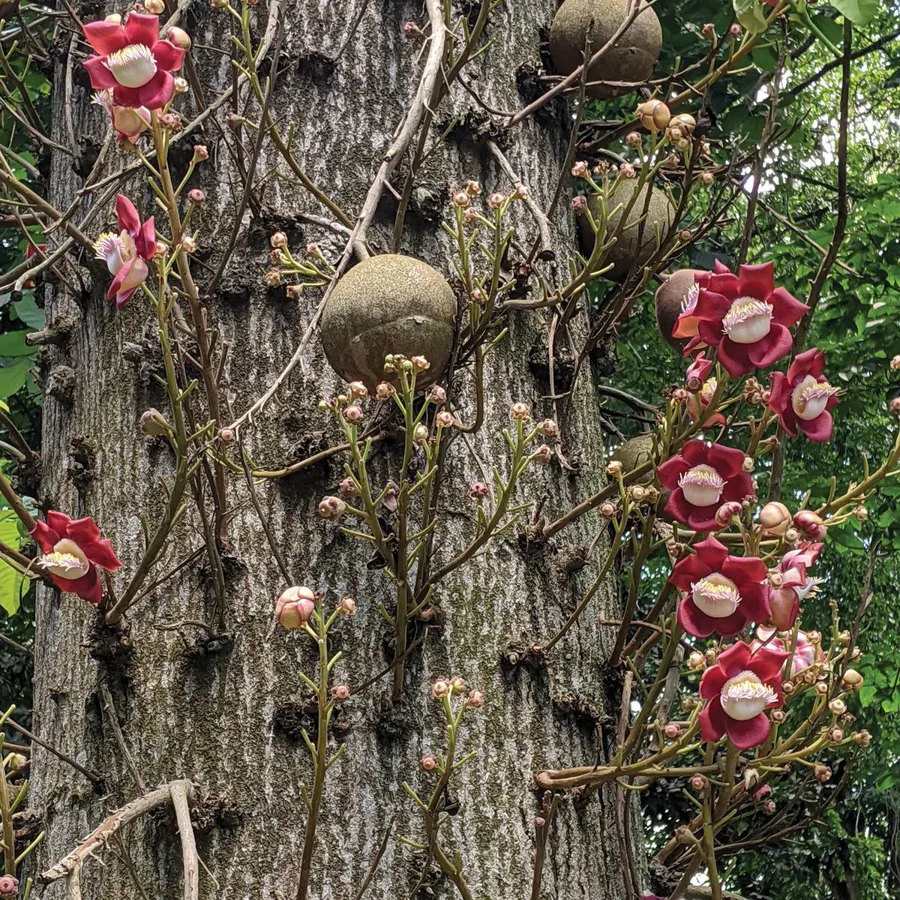
Ayahuma is a large Amazonian tree, known in English as the cannonball tree for the big round fruits that grow straight out of its trunk. In the Peruvian Amazon it is respected as a Master Plant - a tree people work with for grounding, protection, and calming the mind. This guide covers the tree, its tradition, and how to prepare the bark at home.
About the tree
Ayahuma (Couroupita guianensis) grows across the Amazon basin, often near rivers and villages. It is hard to miss: large red-and-pink flowers and big round fruits grow straight out of the trunk. The fruits look like rusty cannonballs - that is where the English name comes from.[1]
The name Ayahuma comes from the Quechua words aya (dead, or spirit) and uma (head). It refers to the shape of the fruit, and also to what people say the tree does best: calming and quieting the mind.
Ayahuma benefits and traditional uses
We work with the bark. Traditional accounts also describe leaves and flowers, so the part of the tree matters when reading about its uses. Amazonian herbalists have worked with Ayahuma bark for generations, and in recent years researchers have started to catalogue what the shamans of the Peruvian Amazon use it for. Here is why people drink it.
For the body
- Pain and inflammation - Native Amazonian people take the leaves, bark, and flowers as a tea for pain, inflammation, and high blood pressure,[3] and in shamanic Amazonian medicine "ayauma" is a remedy for headache, back pain, and inflammatory conditions.[2] In the Chazuta valley the bark is dieted for lumbago.[4]
- Infections and wounds - traditionally used for skin and upper-airway infections and malaria,[2] healers around Iquitos count it among their plants for infections,[7] and the Asháninka shamans of Mayantuyacu use decoctions of the tree as a remedy, including for wounds.[6]
- Digestion - folk use also covers gastritis, diarrhea, and bloating.[2]
- Grounding and physical resilience - in our tradition Ayahuma supports the body through periods of strain or weakness.
For the spirit and energy
- A Dieta plant - Ayahuma bark is one of the plants of the traditional strict diets of San Martín, where it is brewed together with Bobinsana and Chullachaqui Caspi,[4] and the vegetalistas of Iquitos work with its bark in their ceremonial brews.[5]
- Recovering from emotional shocks - in the tradition we learned from, Ayahuma is the classic choice after loss, fright, or a difficult life period. It is said to help release old traumas.
- Quieting a busy mind - people who drink Ayahuma often describe a calm, steady, stabilizing influence - the "head" in its name.
In Amazonian tradition, Ayahuma is considered a protector. Healers say the tree strengthens the spirit and shields the people who work with it. You do not need to hold any particular beliefs to drink Ayahuma tea - but if you do a Dieta with it, this protective, steadying character is what people most often describe.
How to prepare Ayahuma
Because bark is dense, Ayahuma gets a short boil followed by a longer steep.
The tea recipe below uses our powdered bark. For a three-day Dieta, follow the Dieta batch recipe, which makes about six cups and has its own quantities and brewing times.
Tea
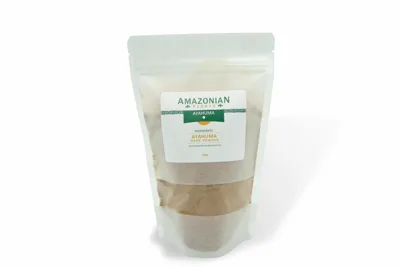
- Put 1 rounded teaspoon of Ayahuma bark powder into a small pot with 1-2 cups of water.
- Gently boil for 5 minutes.
- Turn off the heat, cover, and let it steep for at least 15 more minutes.
- Strain and drink, hot or cold.
Tincture
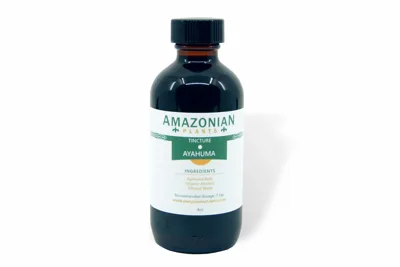
Take 1 teaspoon of the Ayahuma tincture - a convenient option if you don't want to brew.
Master Plant Dieta
A Dieta gives you time to build a deeper connection with the plant. In our three-day practice, you drink Ayahuma tea morning and evening while keeping a simple diet and quiet routine. The Ayahuma Dieta Kit includes everything you need, and our step-by-step Master Plant Dieta guide covers preparation, brewing, and the daily protocol.
Frequently asked questions
What is Ayahuma?
Ayahuma is Couroupita guianensis, the cannonball tree - a large Amazonian tree whose round fruits grow straight out of the trunk.
What part of the tree is used?
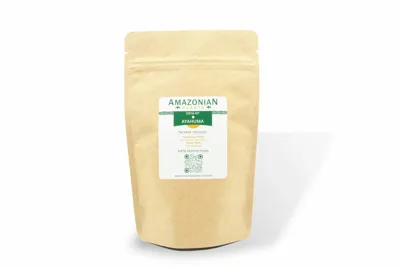
The bark. We grind it into a powder for tea, tinctures, and Dieta brews.
How long do you boil Ayahuma bark?
Gently boil the powder for 5 minutes, then switch off the heat and let it steep for at least 15 more minutes before straining.
Do you use the cannonball fruit to make Ayahuma tea?
We use powdered bark. The round fruits help you recognize the tree, but they are not an ingredient in the tea, tincture, or Dieta preparation described here.
FDA disclosure: These statements have not been evaluated by the Food and Drug Administration. Our products are not intended to diagnose, treat, cure, or prevent any disease. The information on this page is provided for educational and cultural purposes only and is not medical advice. Talk to your healthcare provider before working with any plant. See our Terms & Conditions for the full disclosure.
References and further reading
- Couroupita guianensis. Plants of the World Online, Royal Botanic Gardens, Kew.
- Pisanti, S. et al. (2024). Anticancer Activity and Mechanism of Action of Couroupita guianensis Bark Decoction in Gastric Adenocarcinoma Cancer Cell Line. International Journal of Molecular Sciences, 25(17), 9183.
- Sheba, L. A. & Anuradha, V. (2020). An Updated Review on Couroupita guianensis Aubl.: A Sacred Plant of India with Myriad Medicinal Properties. Journal of Herbmed Pharmacology, 9(1), 1-11.
- Sanz-Biset, J. & Cañigueral, S. (2011). Plant Use in the Medicinal Practices Known as "Strict Diets" in Chazuta Valley (Peruvian Amazon). Journal of Ethnopharmacology, 137(1), 271-288.
- Luna, L. E. (1984). The Healing Practices of a Peruvian Shaman. Journal of Ethnopharmacology, 11(2), 123-133.
- Esposito, T. et al. (2023). Couroupita guianensis Bark Decoction: From Amazonian Medicine to the UHPLC-HRMS Chemical Profile and Its Role in Inflammation Processes and Re-Epithelialization. Journal of Ethnopharmacology, 313, 116579.
- Roumy, V. et al. (2015). In Vitro Antimicrobial Activity of Traditional Plant Used in Mestizo Shamanism from the Peruvian Amazon. Pharmacognosy Magazine, 11(Suppl 4), S625-S633.
Ayahuma in our shop
Everything below is prepared from the same plant this article describes.