Strength and Steadiness
Cumaceba (Swartzia polyphylla)
Cumaceba is an Amazonian hardwood tree whose bark has long been used as a strengthening remedy. Its wood is famously dense and heavy, and that character runs through everything the tradition says about it. This guide covers the tree, its tradition, and how to prepare the bark at home.
About the tree
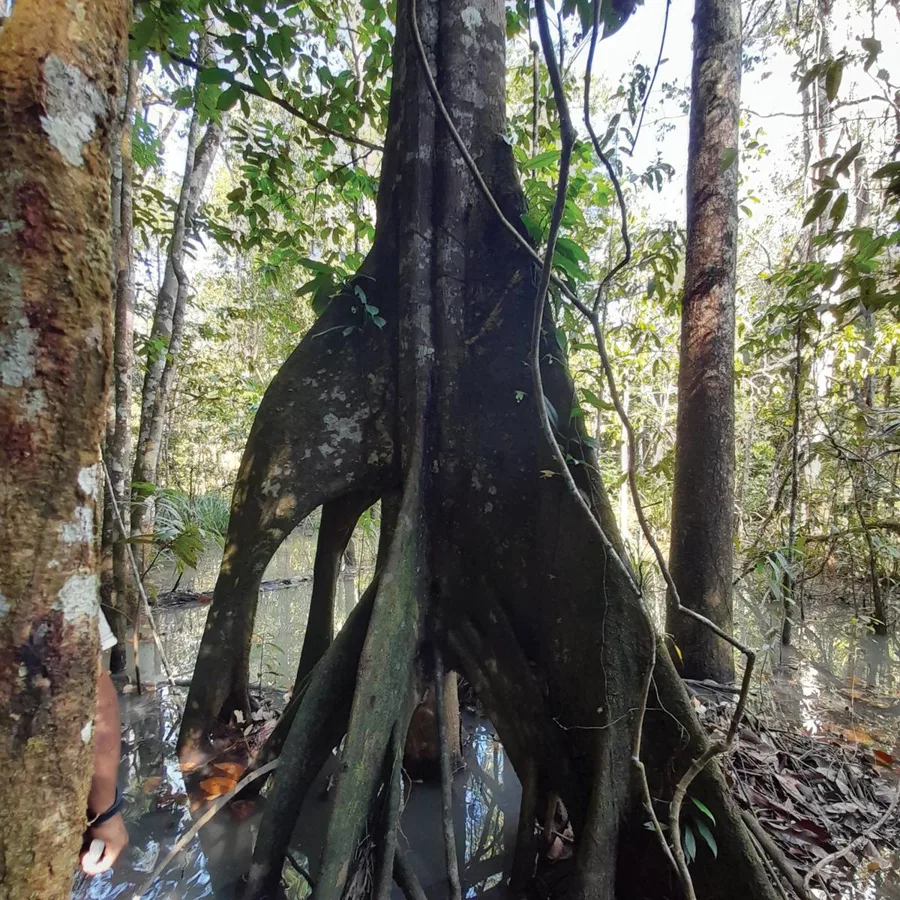
Cumaceba (Swartzia polyphylla) grows in the lowland Amazon rainforest.[1] Its wood is famously dense and heavy - so hard that it has traditionally been used for tool handles and construction. The bark of this tough tree is the part used in herbal practice.
Cumaceba benefits and traditional uses
The character of the tree says a lot about how it is used. The published record of Cumaceba is almost entirely about the body; its reputation as a Master Plant comes from the Dieta tradition we learned and practice. Here is why people drink it.
For the body
- Strength and recovery - Amazonian tribes hold that the bark "gives strength and prevents laziness," and it is taken as a postpartum tonic and to speed the healing of fractures and dislocations.[2]
- Joints and rheumatism - a traditional remedy for rheumatism in Peruvian herbal medicine.[2]
- Vitality - used as an aphrodisiac and tonic,[2] and in the Belén market of Iquitos the bark is one of the classic ingredients macerated in cane spirit for male vigor.[3]
- Everyday remedies - colds and flu, yeast infections, and women's complaints; the Tirio of Suriname use a bark decoction for malaria, and the Shipibo-Conibo use the bark as an antiseptic.[2] Healers of Loreto count it among their plants for infections.[4]
For the spirit and energy
- Grounding - people who drink Cumaceba often describe a sense of firmness and support from within, much like the hardwood itself.
- Endurance - in our tradition it is a supportive plant for people going through physically or emotionally demanding times.
- Quiet steadiness - it is not a dramatic plant; those who diet it tell us about feeling more stable and settled in themselves rather than about visions or intense dreams.
In the Master Plant tradition, Cumaceba is seen as a quiet, solid teacher. Its gift is steadiness. You do not need to hold any particular beliefs to drink the tea, but people who do a Dieta with Cumaceba often describe feeling more stable and grounded in themselves.
How to prepare Cumaceba
Our cup preparation uses a short boil followed by a longer steep.
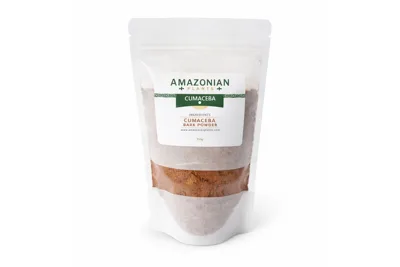
The tea recipe below uses our powdered bark. For a three-day Dieta, follow the Dieta batch recipe, which makes about six cups and has its own quantities and brewing times.
Tea
- Put 1 teaspoon of Cumaceba bark powder into a small pot with 1-2 cups of water.
- Gently boil for 5 minutes.
- Turn off the heat, cover, and let it steep for at least 15 more minutes.
- Strain and drink, hot or cold.
Tincture
Take 1 teaspoon of the Cumaceba tincture - a convenient option if you don't want to brew.
Master Plant Dieta
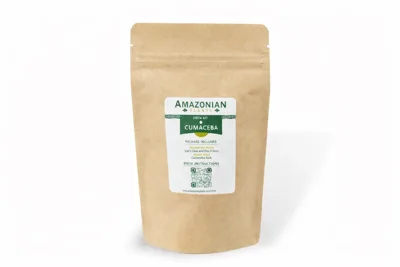
A Dieta gives you time to build a deeper connection with the plant. In our three-day practice, you drink Cumaceba tea morning and evening while keeping a simple diet and quiet routine. The Cumaceba Dieta Kit includes everything you need, and our step-by-step Master Plant Dieta guide covers preparation, brewing, and the daily protocol.
Frequently asked questions
What is Cumaceba?
Cumaceba is Swartzia polyphylla, an Amazonian hardwood tree. The wood is so dense that it has traditionally been used for tool handles and construction - and the bark is used as a strengthening remedy.
What part of the tree is used?
The bark, powdered for tea, tinctures, and Dieta brews.
How do you prepare Cumaceba tea?
Gently boil 1 teaspoon of bark powder in 1-2 cups of water for 5 minutes, then let it steep for at least 15 more minutes and strain.
What do people notice when working with Cumaceba?
Most describe a quiet sense of firmness and support from within - grounding rather than fireworks. It is not a dramatic plant; its gift is steadiness.
How does Cumaceba differ from Chuchuhuasi?
In our tradition both are strengthening barks. We describe Cumaceba as quiet, solid, and grounding, while Chuchuhuasi has a warmer, more energizing character. Those descriptions come from plant work and help explain why someone might feel drawn to one or the other.
FDA disclosure: These statements have not been evaluated by the Food and Drug Administration. Our products are not intended to diagnose, treat, cure, or prevent any disease. The information on this page is provided for educational and cultural purposes only and is not medical advice. Talk to your healthcare provider before working with any plant. See our Terms & Conditions for the full disclosure.
References and further reading
- Swartzia polyphylla. Plants of the World Online, Royal Botanic Gardens, Kew.
- Taylor, L. Cumaseba (Swartzia polyphylla). Tropical Plant Database, Raintree.
- Schmeda-Hirschmann, G., Burgos-Edwards, A., Theoduloz, C., Jiménez-Aspee, F. & Vargas-Arana, G. (2019). Male Sexual Enhancers from the Peruvian Amazon. Journal of Ethnopharmacology, 229, 167-179.
- Roumy, V. et al. (2020). Plant Therapy in the Peruvian Amazon (Loreto) in Case of Infectious Diseases and Its Antimicrobial Evaluation. Journal of Ethnopharmacology, 249, 112411.
- Berlowitz, I. et al. (2022). Teacher Plants: Indigenous Peruvian-Amazonian Dietary Practices as a Method for Using Psychoactives. Journal of Ethnopharmacology.
Cumaceba in our shop
Everything below is prepared from the same plant this article describes.