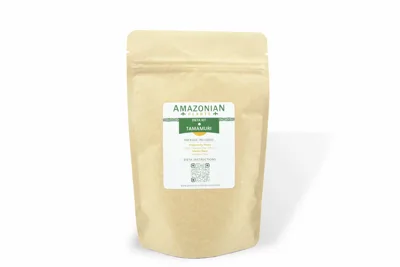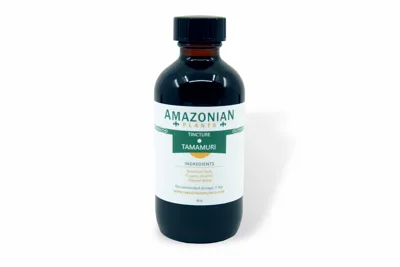
The Deep Cleanser
Tamamuri (Brosimum acutifolium)
Tamamuri is an Amazonian tree traditionally used for deep cleansing work - both of the body and of what we carry inside. It is a thorough, respected teacher, usually not the first plant we suggest to beginners. This guide covers the tree, its tradition, and how to prepare the bark at home.
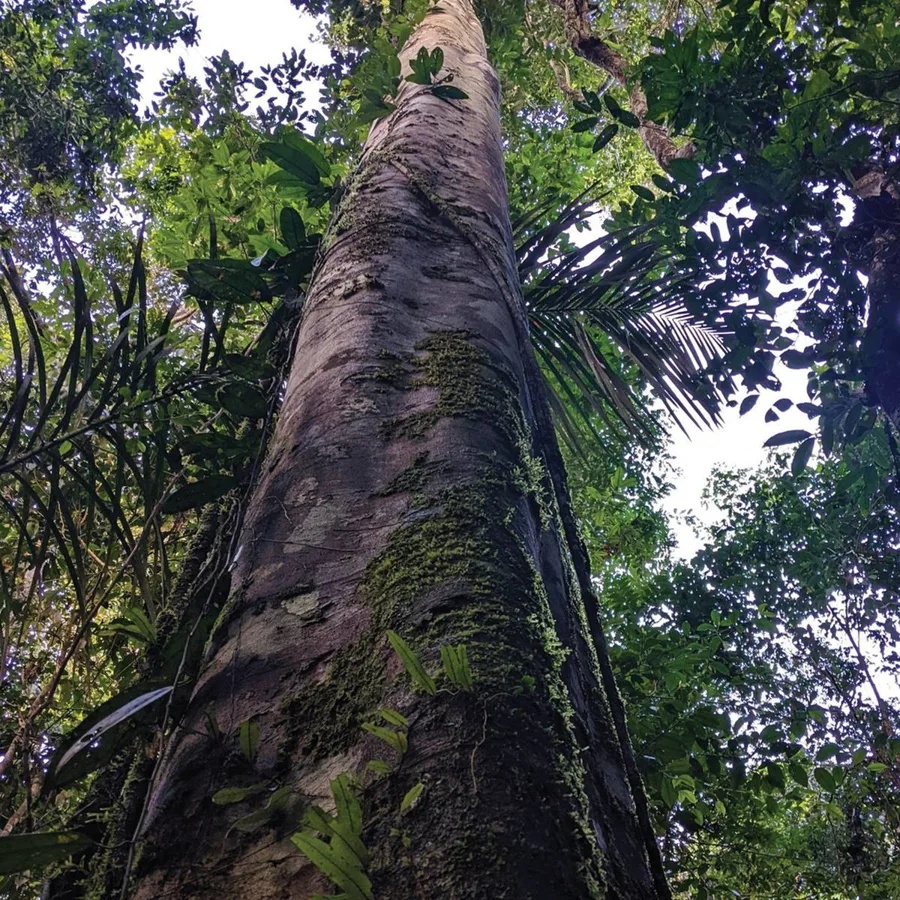
About the tree
Tamamuri (Brosimum acutifolium) is a large rainforest tree found across the Peruvian and Brazilian Amazon.[1] Like other trees in its family, it carries a milky white sap under the bark. The bark is the part used in herbal practice.
Tamamuri benefits and traditional uses
Tamamuri is known in the Amazon as a purifying plant. In Brazil the same tree is called mururé, and its reputation as a deep cleanser goes back centuries. Here is why people drink it.
For the body
- Purification and "blood cleansing" - the stem and root are used as a depurative,[4] and the tree earned the nickname "vegetable mercury" because, from the 18th century on, Amazonian doctors used it against syphilis.[3][2]
- Joints, muscles, and swelling - traditionally taken as an anti-inflammatory for rheumatism, muscle and bone pain,[4] and for "body swelling."[3]
- Everyday remedies - folk use also covers digestion and ulcers, fungal infections, intestinal worms, and weakness, and the bark is taken as a tonic.[2] Healers around Iquitos count it among their plants for infections.[7]
For the spirit and energy
- Protection - the Wayãpi of French Guiana use the tree to protect themselves from witchcraft and bad spells,[2] and in the Guiana Plateau its latex, called takini, is a shamanic potion.[6]
- A palero's bark - around Iquitos, Tamamuri bark goes into the ceremonial bark brews of the paleros, which are drunk under a "major diet."[5]
- Releasing stored tension - in our tradition people work with Tamamuri to explore deep patterns and tension held in the body. Strong bodily sensations and heightened awareness are commonly reported, and healers say it helps find and release old trauma that stays trapped in the body.
- Meaningful dreams - intense, vivid dreams are a frequent part of working with this plant.
A note on the literature: the psychoactive and dose-sensitive preparations described by researchers are made from the tree's milky latex,[3][6] not the bark we work with. In the Master Plant tradition, Tamamuri is considered a deep-working teacher. It works thoroughly, so it is usually not the first plant we suggest to beginners - Bobinsana or Ajo Sacha are gentler starting points. When you are ready for deeper cleansing work, Tamamuri is a respected ally.
How to prepare Tamamuri
Tamamuri bark gets a longer boil followed by a brief covered steep.
The tea recipe below uses our powdered bark. For a three-day Dieta, follow the Dieta batch recipe, which makes about six cups and has its own quantities and brewing times.
Tea
- Put 1 teaspoon of Tamamuri bark powder into a small pot with 1-2 cups of water.
- Gently boil for 15 minutes.
- Turn off the heat, cover, and let it steep for at least 5 more minutes.
- Strain and drink, hot or cold.
Tincture
Take 1 teaspoon of the Tamamuri tincture - a convenient option if you don't want to brew.
Master Plant Dieta
A Dieta gives you time to build a deeper connection with the plant. In our three-day practice, you drink Tamamuri tea morning and evening while keeping a simple diet and quiet routine. The Tamamuri Dieta Kit includes everything you need, and our step-by-step Master Plant Dieta guide covers preparation, brewing, and the daily protocol.
Frequently asked questions
What is Tamamuri?
Tamamuri is Brosimum acutifolium, a large Amazonian tree that carries a milky white sap beneath its bark. The bark is used in the Amazon as a purifying, deep-cleansing preparation.
Is Tamamuri good for beginners?
Usually not the first plant we suggest - it works deeply and thoroughly. Bobinsana or Ajo Sacha are gentler starting points; Tamamuri is a respected ally when you are ready for deeper work.
How do you prepare Tamamuri tea?
Gently boil 1 teaspoon of bark powder in 1-2 cups of water for 15 minutes, then let it steep for at least 5 more minutes and strain.
FDA disclosure: These statements have not been evaluated by the Food and Drug Administration. Our products are not intended to diagnose, treat, cure, or prevent any disease. The information on this page is provided for educational and cultural purposes only and is not medical advice. Talk to your healthcare provider before working with any plant. See our Terms & Conditions for the full disclosure.
References and further reading
- Brosimum acutifolium. Plants of the World Online, Royal Botanic Gardens, Kew.
- Taylor, L. Tamamuri (Brosimum acutifolium). Tropical Plant Database, Raintree.
- Vieira, E. F. M., Lucas, F. C. A., Campos, M. G. R. & Germano, C. M. (2019). Mururé (Brosimum acutifolium Huber) in the Treatment of Syphilis in Colonial Amazonia. Acta Botanica Brasilica, 33(2), 183-195.
- Moraes, W. P. (2011). Caracterização do mecanismo de ação antiinflamatória do flavonoide BAS1 isolado da planta Brosimum acutifolium. Doctoral thesis, Universidade Federal do Pará.
- Mazzatenta, C. (2007). Brebaje palo: A Case Study Among the Indigenous Healers of Iquitos (Peru). Revista de Biologia Neotropical, 4(2), 125-137.
- Moretti, C., Gaillard, Y., Grenand, P., Bevalot, F. & Prevosto, J. M. (2006). Identification of 5-hydroxy-tryptamine (bufotenine) in takini (Brosimum acutifolium), a Shamanic Potion Used in the Guiana Plateau. Journal of Ethnopharmacology, 106(2), 198-202.
- Roumy, V. et al. (2020). Plant Therapy in the Peruvian Amazon (Loreto) in Case of Infectious Diseases and Its Antimicrobial Evaluation. Journal of Ethnopharmacology, 249, 112411.
- Berlowitz, I. et al. (2022). Teacher Plants: Indigenous Peruvian-Amazonian Dietary Practices as a Method for Using Psychoactives. Journal of Ethnopharmacology.
Tamamuri in our shop
Everything below is prepared from the same plant this article describes.